Developers preparing for interviews
Watch a URL shortener, a chat app or a rate limiter designed step by step, with the numbers that decide each choice, as many times as you need.
Skills System design
Name a system to design, ask about an idea like consistent hashing, or paste your own script, and Chasca makes a narrated video around one architecture diagram that grows as it is explained. Clients, load balancers, services, caches, databases and queues appear as they are named, requests travel along the arrows with the latency and throughput on them, and the system scales, a server fails and the traffic moves to what is still up. Round robin, token buckets, queues and hash rings are worked out, not guessed.
At a glance
Who it’s for
Watch a URL shortener, a chat app or a rate limiter designed step by step, with the numbers that decide each choice, as many times as you need.
Explain caching, replication, sharding, consistent hashing or CAP with a diagram that moves, in your language, instead of a still slide.
Turn a design doc or an incident into a short video for onboarding and reviews: how a request flows, what failed, what the fix costs.
How it works
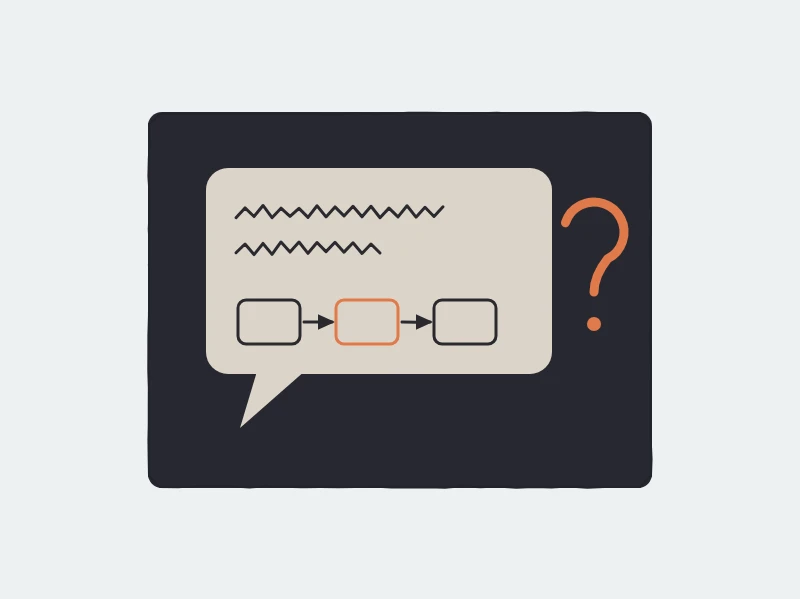
A system to design, like a URL shortener or a chat app, an idea like consistent hashing, or your own script, in any language.
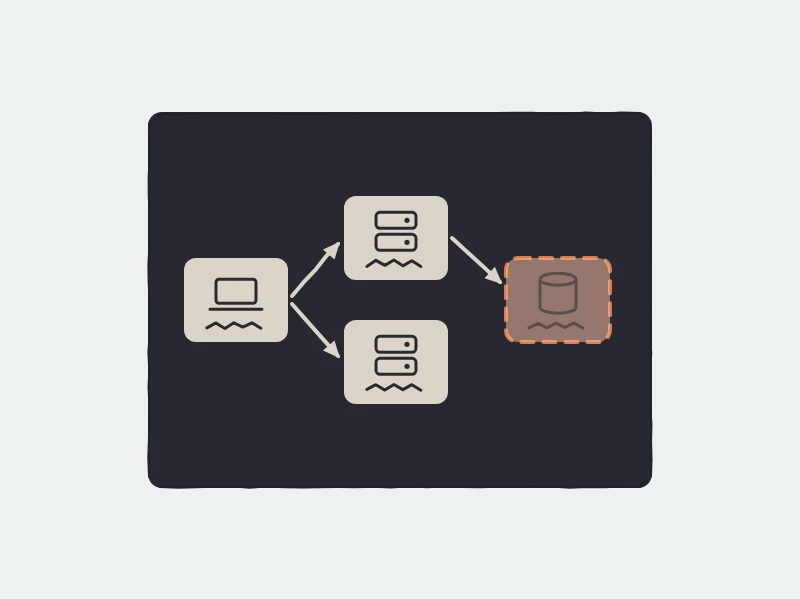
Clients, load balancers, services, caches and databases appear as the narration names them, laid out the way requests travel.
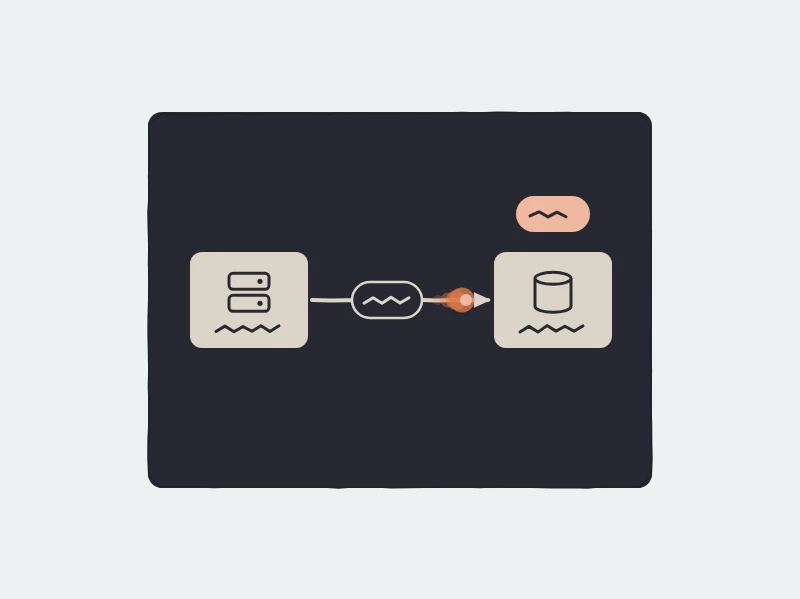
Requests move along the arrows with latency and throughput on them; a cache hits or misses, a rate limiter answers 429.
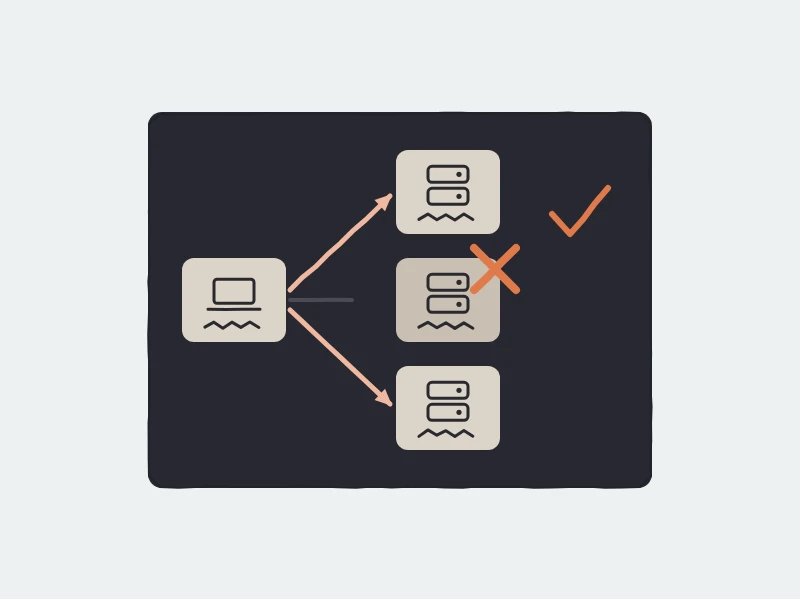
Servers multiply, a database fails and traffic moves to what is up, a partition cuts a link, and a recap walks the final design.
Examples
A short link resolved through an API and a database, then a cache for popular links, a load balancer over two APIs, and one API failing while the traffic moves to the other.
PromptHow does a URL shortener handle a billion clicks? Show the read path, a cache, and scaling out.
Made from a promptSystem designEnglish
Three cache servers and four keys hashed onto a ring, each key going to the next server clockwise; a fourth server joins and only one key moves to it.
PromptExplain consistent hashing with a hash ring: which keys move when a server is added?
Made from a promptSystem designEnglish
A burst of five requests meets a bucket of three tokens: three get through, two are refused with a 429, and the bucket refills so an idle client can burst again.
PromptDesign a rate limiter with a token bucket. Show a burst of requests and which ones get a 429.
Made from a promptSystem designEnglish
A WebSocket upgrade drawn message by message, a message forwarded the moment it arrives, then two chat servers joined by a message broker so friends on different servers still chat live.
PromptHow does a chat app deliver a message in real time? Show the WebSocket connection step by step.
Made from a promptSystem designEnglish
A load balancer splitting 1,000 requests a second between two servers in round robin, in Spanish: a request fails, health checks take the server out, and it rejoins once it recovers.
Prompt¿Qué hace un balanceador de carga cuando un servidor se cae? Muéstralo con tráfico real.
Made from a promptSystem designSpanish
The CAP theorem in Arabic, laid out right to left: two copies of a database lose their link, and a read shows what choosing consistency or availability costs.
Promptاشرح نظرية CAP: ماذا يحدث عند انقطاع الشبكة بين نسختين من قاعدة البيانات؟
Made from a promptSystem designArabic
Why we built it
The best system design explanations online are drawn and animated by hand, one video at a time, and most of them only in English. Engineers and students who want to see their own system, or the idea they are stuck on, explained that way usually can’t make it themselves. We built System design so that any system, in any language, can be shown working.
Yes. Chasca’s System design skill makes a narrated video around an animated architecture diagram: clients, load balancers, services, caches, databases and queues appear as they are named, requests move along the arrows with latency and throughput on them, and the system scales, fails and recovers. You type a system or a question, or paste your own script.
Classic system design topics: URL shorteners, chat apps, news feeds, rate limiters, caching, load balancing, replication and sharding, queues and streams, consistent hashing and CAP, plus protocols shown as sequence diagrams, such as a TCP handshake, an OAuth flow or a WebSocket connection.
What the system does is computed from the diagram: round robin skips a server that is down, a token bucket refuses requests it has no tokens for, a queue counts what waits in it, and a hash ring gives each key to the next server clockwise. Worked-out numbers, like requests a second from a daily total, are calculated. The script is checked for factual mistakes, and the video’s page tells you if anything needs a look.
Yes. Pick “My words, word for word” and paste your script: every word is narrated as written, and the skill draws the diagram and its moving requests, timed to your words. Paste a design doc or notes as they are, and it explains them instead.
Only when you do, and then as a label. The narration sticks to standard, vendor-neutral facts, so it never invents a product’s limits or prices, and components are drawn by what they do, not with vendor logos.
All 79 languages Chasca narrates in. Technical terms engineers keep in English stay that way, and in Arabic the diagram flows right to left.
From one minute to 10 minutes on a paid plan; the free videos are up to a minute.
Your first 2 videos are free, up to 1 minute each, watermarked. No card required. A skill works on the free videos too, up to a minute. After that, plans start at $9.99 a month for 30 minutes. See pricing.
More skills
Code traced line by line beside the working: outputs, errors, number systems, truth tables and SQL.
Maths ideas shown moving: grids that transform, graphs that morph, equations in the picture’s colours.
Your slides narrated from your notes, or written for you, with a pointer on what is said.
Your first 2 videos are free, up to 1 minute each, watermarked. No card required. Full product, every voice and style included.