Computer science teachers
Show a sort, a search or a graph algorithm running on a small example before the exercises, in the language your class codes in.
Skills Algorithm visuals
Name an algorithm or a data structure, and if you like the data to run it on and the language, and Chasca makes a narrated video of it running step by step: the numbers swap, the pointers move, the tree grows, the table fills, while the code beside the picture lights up line by line and the variables change as it runs. Every step on screen is what the code really does on that data, in Python, Java, C++ or JavaScript.
At a glance
Who it’s for
Show a sort, a search or a graph algorithm running on a small example before the exercises, in the language your class codes in.
Watch the algorithm you are stuck on run on your own numbers, line by line, as many times as you need, in your language.
Publish algorithm walkthroughs in one consistent style without animating each step by hand or recording your screen.
How it works
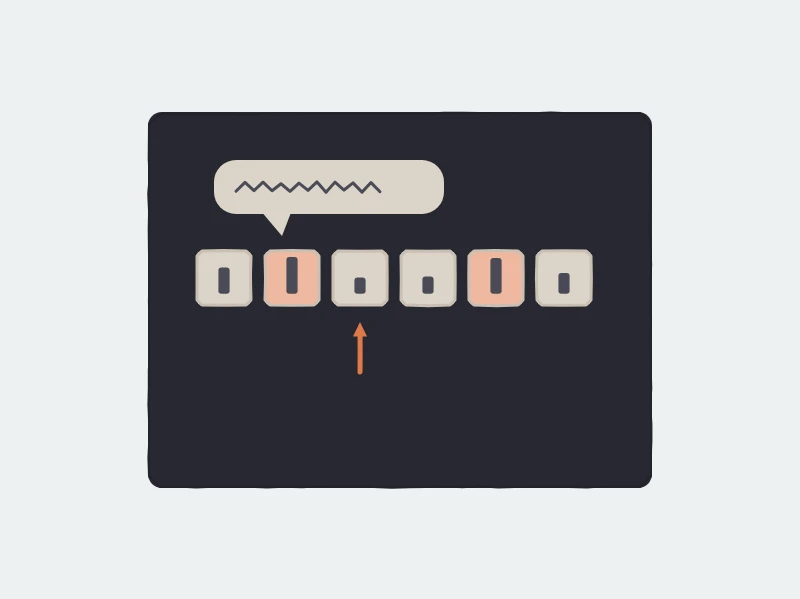
Quick sort, binary search, Dijkstra, a DP table, a tree: name it, and if you like the data to run it on and the language.
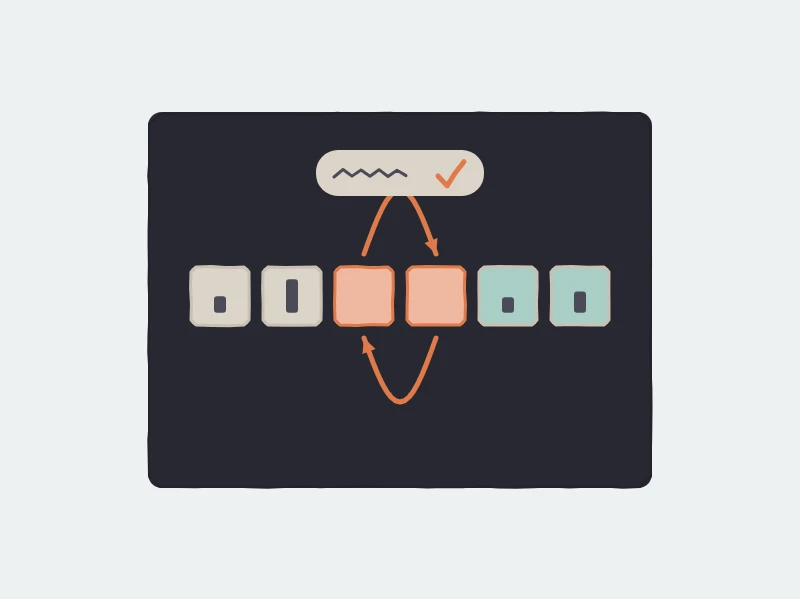
The algorithm is run on your data, so every comparison, swap and value on screen is what the code really does.
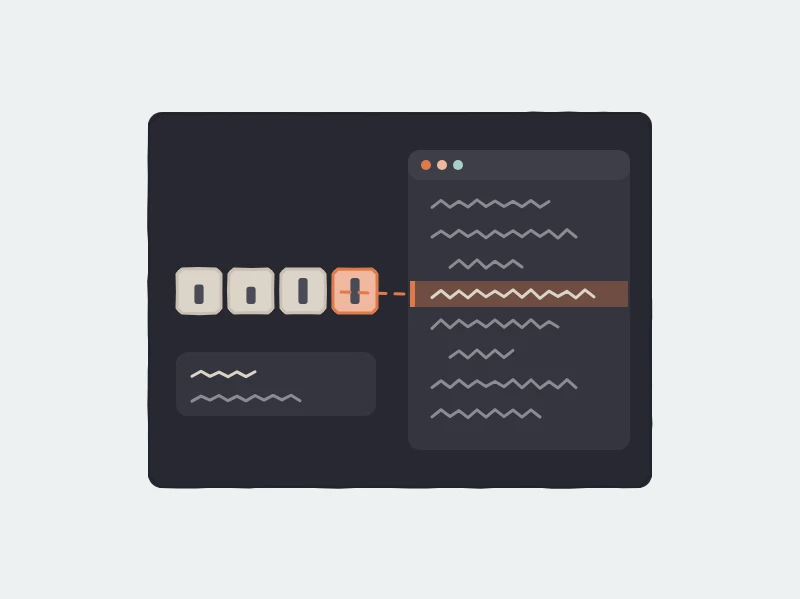
The code lights up line by line beside the picture, with the variables watched, in Python, Java, C++ or JavaScript.
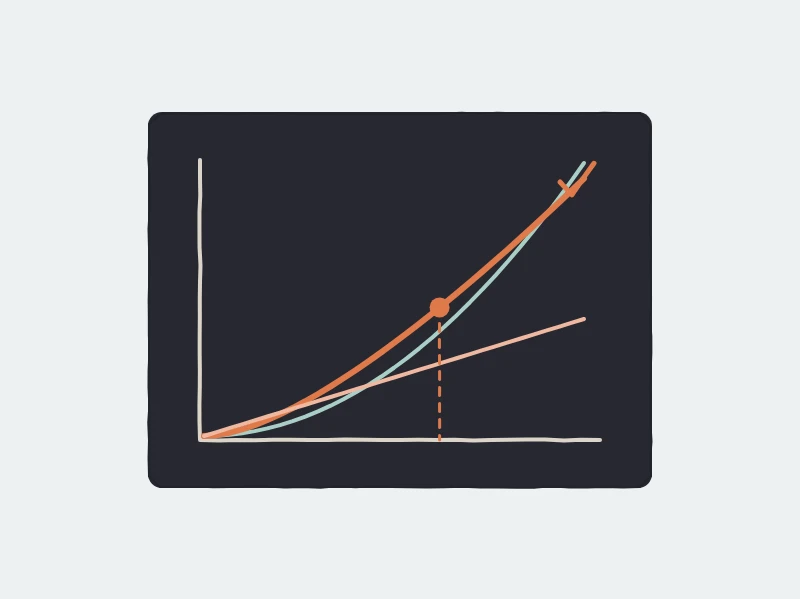
A question first, one small run traced with the key step slowed down, then how the work grows and a recap, in your language.
Examples
Seven numbers sorted around a pivot: each comparison and swap beside the Python line that makes it, then the run’s 10 comparisons on the growth chart.
PromptQuick sort on 8, 3, 6, 1, 9, 2, 5, step by step in Python
Made from a promptAlgorithm visualsEnglish
A weighted graph of six nodes: the priority queue, the distances and the Java code move together until every shortest distance from node 0 is settled.
PromptDijkstra’s shortest paths from node 0 on a small weighted graph, in Java
Made from a promptAlgorithm visualsEnglish
Binary search in Spanish with JavaScript: lo, mid and hi close in on 23 in 4 checks, setting half of what is left aside each time.
PromptBúsqueda binaria: encuentra el 23 en una lista ordenada, en JavaScript
Made from a promptAlgorithm visualsSpanish
Seven keys inserted one by one: each comparison sends a key left or right down the tree, beside the recursive C++ insert and its call stack.
PromptInsert 50, 30, 70, 20, 40, 60, 80 into a binary search tree, in C++
Made from a promptAlgorithm visualsEnglish
Merge sort in Hindi with Python: the list split into halves, then merged back with the left and right copies and their pointers in view.
Promptमर्ज सॉर्ट को एक छोटे उदाहरण पर स्टेप बाय स्टेप समझाइए, Python में
Made from a promptAlgorithm visualsHindi
Bubble sort in Arabic, laid out right to left: neighbours swapped pass by pass until a pass makes no swap, beside the Python code.
Promptاشرح خوارزمية الترتيب الفقاعي خطوة بخطوة على مثال صغير بلغة Python
Made from a promptAlgorithm visualsArabic
Why we built it
The algorithm videos people learn from are animated by hand, one step at a time, and almost all of them are in English. Teachers in most languages draw the same arrays on the board every year, and students preparing for interviews watch videos that skip the step they are stuck on. We built Algorithm visuals so that any algorithm, run on any small input, can be explained correctly in any language, with the code a student actually writes.
For a finished, narrated video from a sentence, Chasca’s Algorithm visuals skill: name an algorithm, and if you like the data and the language, and it runs the algorithm and explains it step by step with the code lit line by line beside the picture. Manim and Motion Canvas give full control if you write the animation code yourself, and VisuAlgo is good for exploring in the browser. See the full comparison.
Sorting (bubble, insertion, selection, merge, quick and heap sort), binary search, two pointers and sliding windows, strings, stacks and queues, hash tables, linked lists, binary search trees and the four traversals, heaps, graphs (BFS, DFS, Dijkstra, topological sort, union-find), recursion trees, dynamic programming tables (climbing stairs, coin change, longest common subsequence, knapsack, edit distance) and big O growth.
Yes. The algorithm is run on the data shown, and every step on screen comes from that run: the comparisons, the swaps, the pointers, the highlighted line and the variables. The narration is written against the run, and if it ever names a number the run doesn’t show, the video’s page tells you where.
Yes: Python, Java, C++ or JavaScript. Pick it in the skill’s Code setting, or name it in your request (“in Java”). The picture is the same in every language; the code and the variable names follow the language.
Yes. Give the numbers, the word, the keys or the graph’s edges in your request, like “quick sort on 8, 3, 6, 1, 9”. Data is kept small enough to follow on screen (up to 8 or 10 values, 8 graph nodes); if anything was trimmed, the video’s page says what.
Code problems answers exam questions about code on a teacher’s board: what a program prints, where the error is, number systems and truth tables. Algorithm visuals explains how an algorithm works by running it, with the data moving and the code lit line by line.
The narration can be in any of the 79 languages Chasca speaks; the code and its names stay as the programming language writes them. Arabic videos put the code on the left and the picture on the right.
Your first 2 videos are free, up to 1 minute each, watermarked. No card required. A skill works on the free videos too, up to a minute. After that, plans start at $9.99 a month for 30 minutes. See pricing.
More skills
Code traced line by line beside the working: outputs, errors, number systems, truth tables and SQL.
Maths ideas shown moving: grids that transform, graphs that morph, equations in the picture’s colours.
Problems solved step by step on a teacher’s board, with a pointer and the answer boxed.
Your first 2 videos are free, up to 1 minute each, watermarked. No card required. Full product, every voice and style included.