Commerce teachers
Send the chapter’s exercise home with a video for every transaction, so “why is rent debited?” is answered before the next class.
Skills Accounting problems
Paste the transactions with their dates and amounts, or drop a photo or PDF of the question, and Chasca makes a video that works each one the way a commerce teacher does at the board: the two accounts and their type, the rule that applies, which is debited and which credited, then the entry written into the journal row by row. Made for accounting teachers and tutors, it follows your curriculum’s format, from “Cash A/c Dr.” in India to debit first in the US, and adds up the debits and credits before the video is made.
At a glance
Who it’s for
Send the chapter’s exercise home with a video for every transaction, so “why is rent debited?” is answered before the next class.
Turn a bank of journal, ledger and depreciation questions for Class 11 and 12 or CA Foundation into worked solutions in the format examiners expect.
Show new staff how each kind of transaction is recorded, debit first by the accounting equation, one entry at a time.
How it works
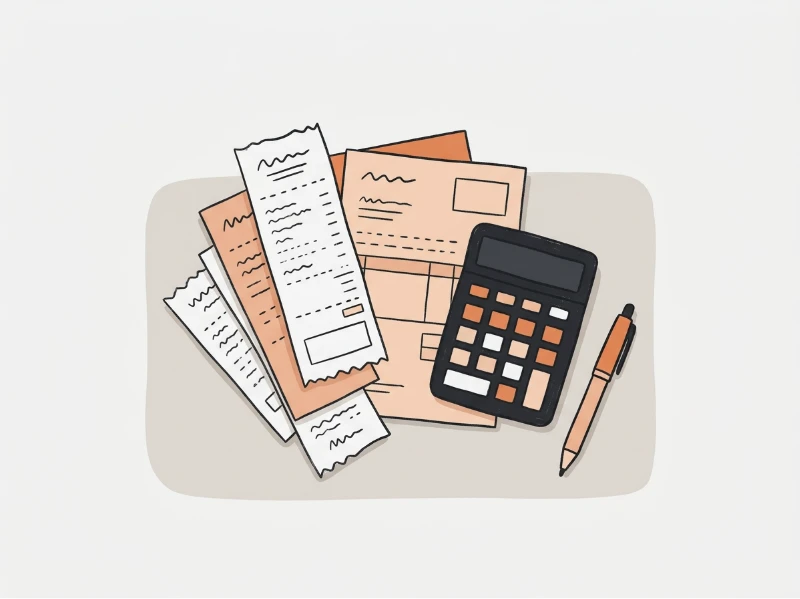
With dates and amounts, or a photo of the question: journal entries, ledgers, trial balances and depreciation.
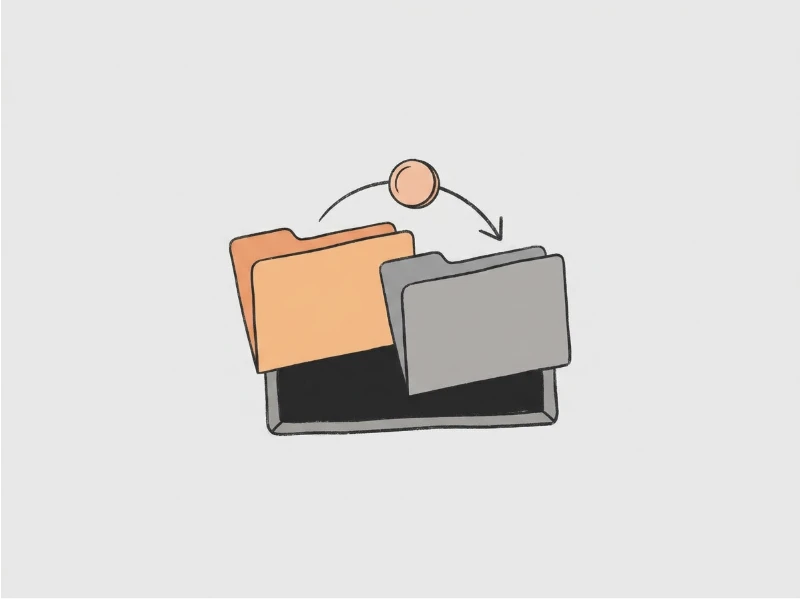
The two accounts, their type and the rule, then which side is debited and which credited, one transaction at a time.
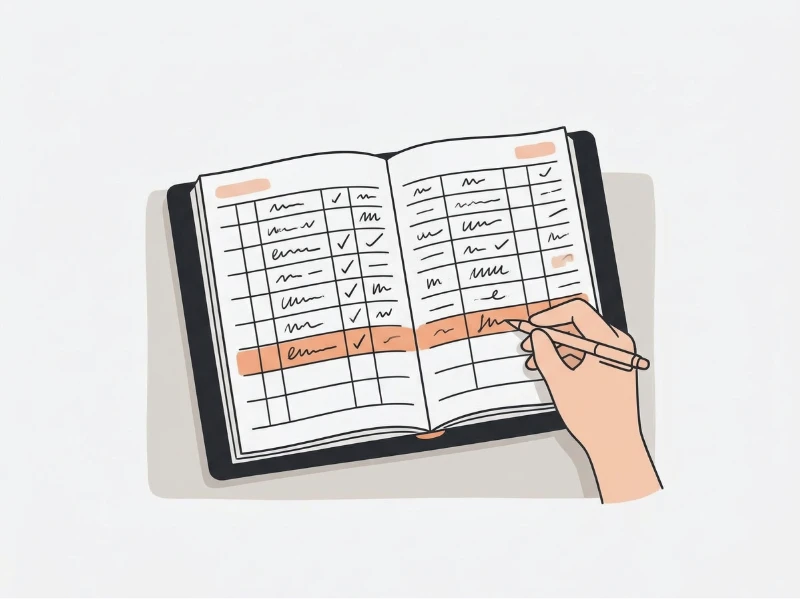
Row by row in your country’s format, like “Cash A/c Dr. To Capital A/c” in India, or debit first in the US.
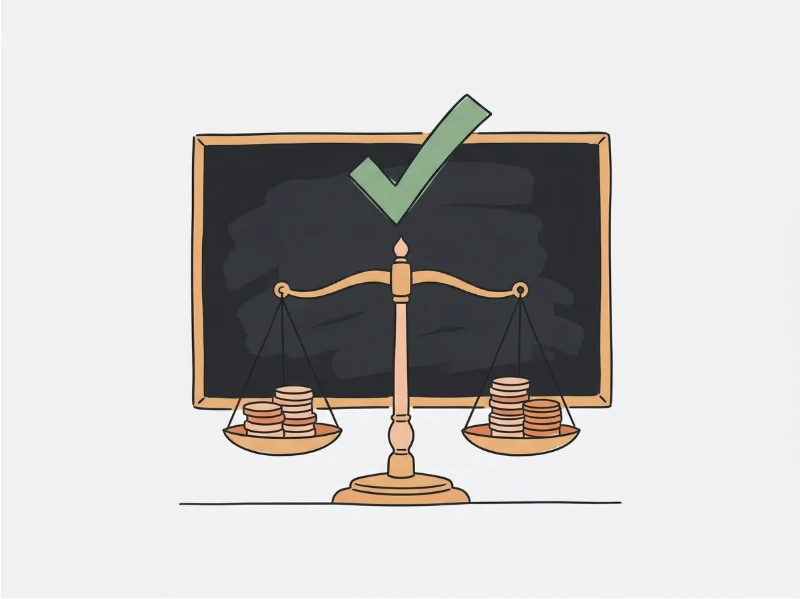
The debits and credits are added up before the video is made. If they don’t agree, the video’s page tells you where.
Examples
An owner’s investment and supplies bought on account, each reasoned and then written in the US format.
PromptRecord these: Jan 3, the owner invested $10,000 cash. Jan 7, bought supplies on account for $800.
Made from a promptAccounting problemsEnglish
Machinery written down at 10% a year, each year’s working on the board and the journal entry in the Indian format.
PromptMachinery bought for ₹1,00,000 on 1 April is depreciated at 10% a year on the straight-line method. Show the depreciation and the book value for the first two years, with the journal entry for year one.
Made from a promptAccounting problemsEnglish
The golden rules applied to each account, then the entry written in the Indian format, debits equal to credits.
PromptPass the journal entry: paid rent ₹5,000 by cheque.
Made from a promptAccounting problemsEnglish
Each balance put in its debit or credit column with the reason, then both columns added and agreed at ₹1,45,000.
PromptPrepare a trial balance: Capital ₹80,000, Cash ₹30,000, Purchases ₹40,000, Sales ₹55,000, Furniture ₹25,000, Creditors ₹10,000, Debtors ₹50,000.
Made from a promptAccounting problemsEnglish
Current assets over current liabilities, simplified to 2:1 and then said plainly: two rupees of assets for every rupee owed soon.
PromptCalculate the current ratio: current assets ₹2,40,000, current liabilities ₹1,20,000.
Made from a promptAccounting problemsEnglish
One month of a $1,200 policy used up: the month’s expense worked out, then the adjusting entry written in the US format.
PromptRecord the adjusting entry: $1,200 of prepaid insurance covers 12 months, and one month has passed.
Made from a promptAccounting problemsEnglish
Why we built it
Accounts are learned one transaction at a time, and a student who can’t say why rent is debited is stuck on every entry after it. Commerce teachers explain the rule at the board, but an exercise has dozens of transactions and a class has room for a few. We built the accounting skill so every transaction in an exercise can be reasoned out loud and written into the journal, in the format the student’s exam expects.
Read why we built itYes. Chasca’s Accounting problems skill makes a narrated video that works each transaction on a teacher’s board: the two accounts and their type, the rule, which is debited and which credited, then the entry written into the journal row by row. Paste the transactions or upload a photo or PDF of the question.
Yes, for Indian and Pakistani boards: the golden rules, then “Cash A/c Dr.” on one row and “To Capital A/c” on the next, with amounts grouped the Indian way, like 1,25,000. US and UK courses get debit first by the accounting equation, and Spanish ones “Debe” and “Haber”.
Yes. Entries are posted to each side of the ledger account and the balance carried down, and a trial balance is drawn row by row, each balance in its column, with its totals row. It also works depreciation and accounting ratios from their formulas. Ledger accounts are drawn as tables, not T-accounts.
Before the video is made, the debit and credit columns of each journal, ledger and trial balance are added up. If they don’t agree, the video’s page tells you which question to check before you share it. Every answer is also solved a second time on its own.
Yes. Hindi narration is the Hinglish Indian commerce teachers use, with the accounting terms in English (or the textbook’s Hindi terms for a Hindi-medium class) and each account’s type asked and answered, as in class. It works in all 79 languages Chasca narrates in.
Yes. Add photos, a PDF or a document of the question, up to 20 pages, and the transactions are read from it in order, each with its date and amount. You can also type or paste them.
From one minute to 30 minutes on a paid plan; the free videos are up to a minute. Each transaction gets its own board, so a longer list makes a longer video.
Your first 2 videos are free, up to 1 minute each, watermarked. No card required. A skill works on the free videos too, up to a minute. After that, plans start at $9.99 a month for 30 minutes. See pricing.
More skills
Supply and demand, elasticity and costs, solved on exact graphs with every shift drawn.
Problems solved step by step on a teacher’s board, with a pointer and the answer boxed.
A funny vertical cartoon in which a mascot acts out one money idea with props and big red numbers.
Your first 2 videos are free, up to 1 minute each, watermarked. No card required. Full product, every voice and style included.