Biology teachers and tutors
Show a process before the worksheet: mitosis phase by phase, how the heart pumps, why a cross gives three to one. GCSE, A-level, AP, IB and NEET topics.
Skills Visual biology
Name a biology process, ask a question or paste your own script, and Chasca makes a narrated video that shows it working: chromosomes lining up and pulling apart, DNA copied and read into a protein, blood flowing through the four chambers of the heart, a Punnett square filling in cell by cell. Every diagram is drawn in one clean style, each part is labelled the moment it is named, and every label is checked against the picture before it is shown.
At a glance
Who it’s for
Show a process before the worksheet: mitosis phase by phase, how the heart pumps, why a cross gives three to one. GCSE, A-level, AP, IB and NEET topics.
Ask about the process you are stuck on and watch it happen step by step, labelled, in your language, as many times as you need before the exam.
Publish clear, consistent biology animations without drawing frames by hand or paying for 3D software and a studio.
How it works
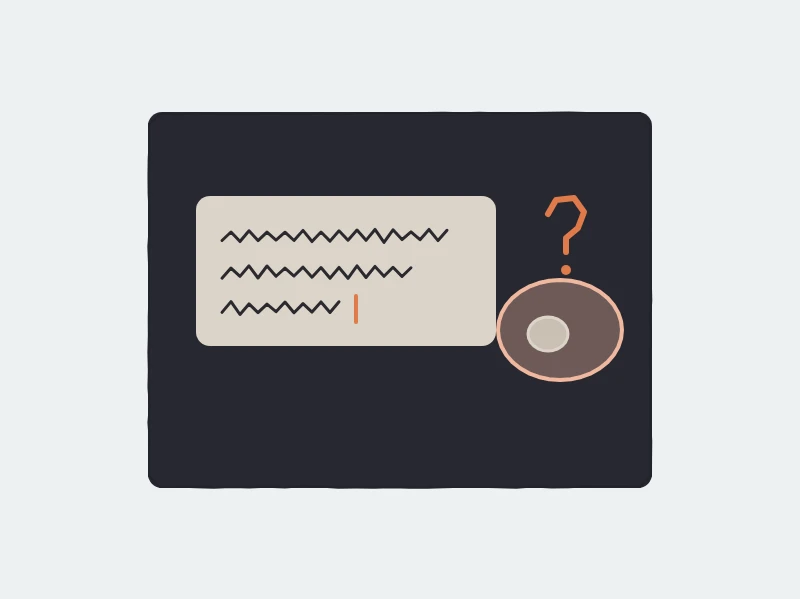
Like “how mitosis works”, “how blood goes round the heart” or “why a quarter of the puppies are white”. A question or your own script works too, in any language.
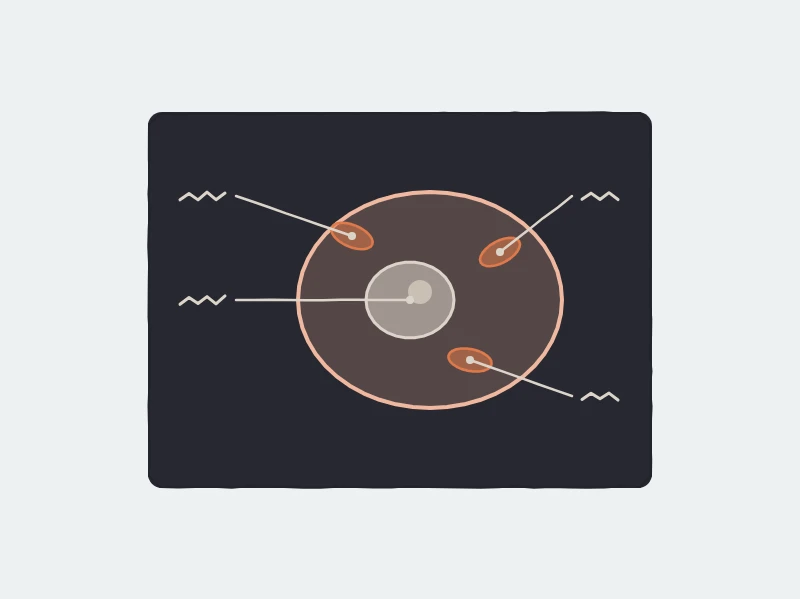
Cells, DNA, the heart, lungs, a food web or a Punnett square, drawn in one clean style, each part labelled the moment it is named.
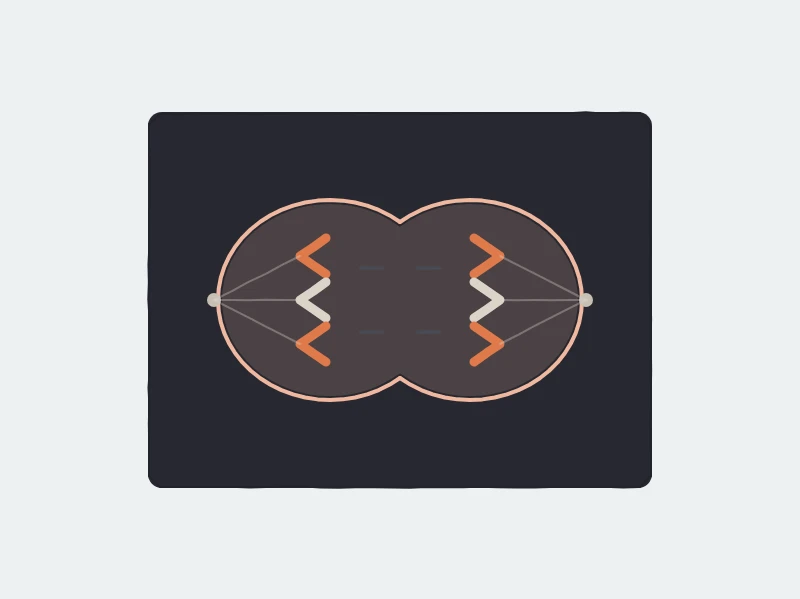
Chromosomes line up and pull apart, an enzyme splits its substrate, blood flows, a population changes over generations, step by step with the words.
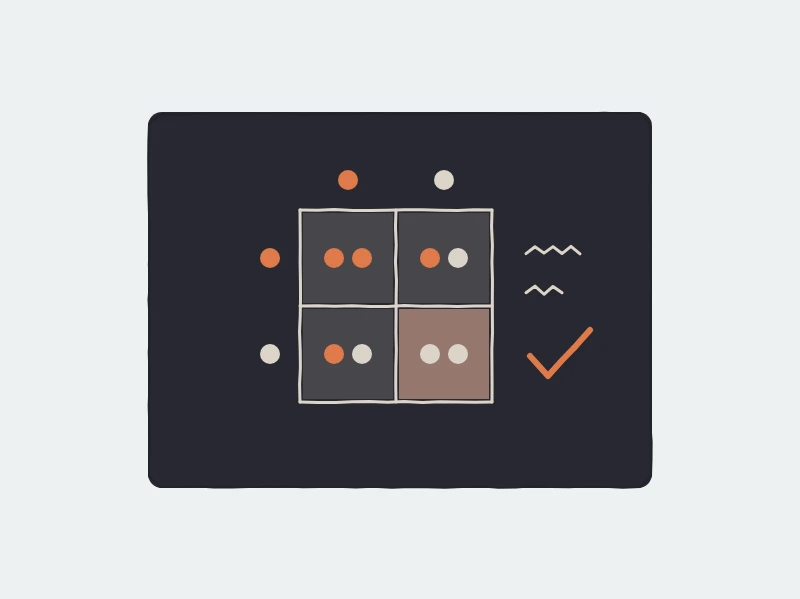
Every label is typeset by Chasca and checked against the diagram before it is shown. Punnett ratios and graphs are computed exactly.
Examples
One animal cell through prophase, metaphase, anaphase, telophase and cytokinesis, each part labelled as it is named, from the sister chromatids to two identical nuclei.
PromptHow mitosis makes two identical cells
Made from a promptVisual biologyEnglish
A front-view heart, its right side blue and its left side red: blood traced from the vena cava to the lungs and back out through the aorta, each chamber and valve labelled as it is named.
PromptHow does blood flow through the heart? Show both sides and the valves.
Made from a promptVisual biologyEnglish
Two black Bb dogs crossed in a Punnett square: their gametes, the four combinations, and why each puppy has a one-in-four chance of white fur rather than a fixed one in four.
PromptTwo black dogs that both carry the allele for white fur have puppies. Why is about a quarter of them white? Use a Punnett square.
Made from a promptVisual biologyEnglish
From DNA to protein, explained in Hindi: an mRNA copy is made from the template strand in the nucleus and leaves through a nuclear pore, then a ribosome reads it codon by codon, from the AUG start through methionine and alanine to the UAA stop codon.
PromptDNA से प्रोटीन कैसे बनता है? Transcription और translation को आसान भाषा में समझाइए।
Made from a promptVisual biologyHindi
Natural selection in the peppered moth, explained in Spanish: soot darkens the bark, birds take the pale moths that stand out, and over generations the dark form becomes more common.
PromptLa selección natural explicada con la polilla moteada de Inglaterra
Made from a promptVisual biologySpanish
How enzymes work, explained in Arabic and written right to left: the substrate fits the active site, reacts and leaves as products, and heat changes the active site’s shape.
Promptكيف تعمل الإنزيمات، ولماذا تتوقف عن العمل في درجات الحرارة العالية؟
Made from a promptVisual biologyArabic
Why we built it
The best biology animations are drawn by hand, frame by frame, or built in 3D software by specialists, and one short film can cost thousands. Most teachers and students will never have that, so the moving diagram of the process they are stuck on usually doesn’t exist, or exists only in English. We built Visual biology so that every process in the syllabus, in any language, can have one.
Yes. Chasca’s Visual biology skill makes a narrated video that explains a biology process with labelled diagrams that move: cells dividing, DNA copied and read into a protein, the heart pumping, an enzyme at work, a Punnett square filling in, energy moving through a food web. You type a topic or a question, or paste your own script.
Cell structure and organelles; diffusion, osmosis and active transport; mitosis and meiosis; DNA replication, transcription and translation; enzymes; photosynthesis and respiration; the heart and circulation; breathing and gas exchange; digestion; neurones and synapses; the immune system; Punnett squares and inheritance; natural selection; food chains, food webs and the carbon cycle. These are the processes of GCSE, A-level, AP, IB and NEET biology.
Each diagram follows the way textbooks draw it, with the syllabus names for its parts, and every label is checked against the picture before it is shown, so it points at the right part. Punnett ratios and graphs are computed exactly. The script is checked for biology mistakes before the video is made, and the video’s page tells you if anything needs a look.
Science problems solves exam questions on a teacher’s board, line by line, to a boxed answer. Visual biology explains how a process works, with diagrams that move. Use Science problems for a worksheet and Visual biology for the process behind it.
Yes. Pick “My words, word for word” and paste your script: every word is narrated as written, and the skill adds the diagrams, the labels and the steps, timed to your words.
All 79 languages Chasca narrates in. The labels, headings and names on the diagrams are in that language too, and in Arabic they read right to left.
From one minute to 10 minutes on a paid plan; the free videos are up to a minute.
Your first 2 videos are free, up to 1 minute each, watermarked. No card required. A skill works on the free videos too, up to a minute. After that, plans start at $9.99 a month for 30 minutes. See pricing.
More skills
Physics, chemistry and genetics problems, units on every line and the diagram drawn beside.
Maths ideas shown moving: grids that transform, graphs that morph, equations in the picture’s colours.
Your slides narrated from your notes, or written for you, with a pointer on what is said.
Your first 2 videos are free, up to 1 minute each, watermarked. No card required. Full product, every voice and style included.