How to make a mechanism of action animation, from a drug name or your lecture notes
A mechanism of action animation shows a drug reach its target and what follows. What a good one shows, and how studios, slides and AI tools compare.
By the Chasca team 6 min read
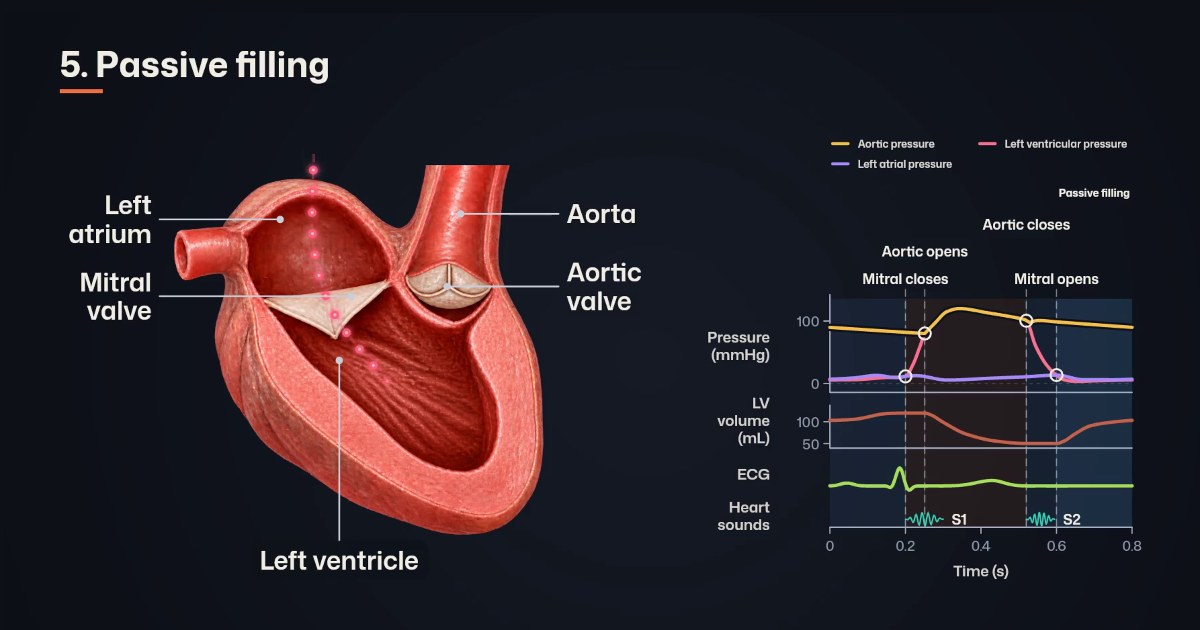
A mechanism of action animation shows how a drug works: it reaches its target, a receptor, an enzyme, a channel or a pump, one step there stops or starts, and a chain of effects follows in the body. A good one shows that sequence in order, explains the physiology first, and ties every side effect to the same step. To make one, you need the target, the step the drug changes, the knock-on effects with their direction, and the curve that measures the drug, plus either a studio, weeks to animate it yourself, or a tool built for the job.
What is a mechanism of action animation?
It is a short video of the steps by which a drug produces its effect. In pharma, mechanism of action (MOA) films explain a new medicine to doctors, investors and congress audiences; in teaching, the same idea explains a drug class to students. Studios distinguish it from a mechanism of disease film, which shows what goes wrong before any treatment; many films include both, the disease first so the drug has something to act on.
Most studio films run 30 to 60 seconds and focus on one binding event. A teaching video needs more room: the physiology the drug acts on, the mechanism, the effects downstream, the uses and side effects, and a recap, which usually takes two or three minutes.
What does a good one show?
The sequence that pharmacology lecturers teach, in this order:
- The problem. One clinical question to open: why can a blood pressure tablet cause a cough?
- The physiology first. The system the drug acts on, working normally. For an ACE inhibitor, that is the enzyme ACE turning angiotensin I into angiotensin II, and breaking down bradykinin.
- The target, close up. Where it sits (a membrane, an enzyme’s active site, a channel) and what it normally does.
- The decisive step. The drug arrives and docks; the body’s own messenger is turned away, or the pump stops.
- The knock-on effects, in order. Less angiotensin II, so wider vessels and less aldosterone, so less salt and water kept, so a lower blood pressure. Every arrow has a direction, and each rise and fall should be stated, not left to the viewer.
- The curve that measures it. Plasma concentration over time, steady state, or the dose-response curve and its shift when an antagonist arrives.
- Uses and side effects, from the same step. Bradykinin builds up when ACE is blocked, which is why a dry cough is the class’s best-known side effect; StatPearls lists it in 10 to 20% of patients. A side effect explained by the mechanism is remembered; a list of side effects isn’t.
- A recap and one question. The class on one card with its name stem (lisinopril, enalapril and ramipril all end in -pril), then an exam-style question.
Do animations help students learn pharmacology?
Not just because they move. Hannah Hartman and Peter Johnson taught drug mechanisms to 44 undergraduate health students as text, text with pictures, animation with text or narrated animation, and all four worked equally well. A team at the University of Glasgow showed 54 pharmacology and physiology students either a 4-minute 3D animation or the same narration over its still frames: the animation group scored 3.7 out of 11 and the stills group 3.2, not a significant difference, although the students’ feedback was very positive.
Motion can even get in the way. Annabel Pink and Philip Newton found that decorative animations impaired recall of physiology and enzyme kinetics compared with a still image, and added to the mental effort of watching.
What does help is well established. Paul Ginns’ meta-analysis of 50 studies found that showing related words and pictures together, in the same place and at the same time, led to substantial learning gains, especially for complex material. A meta-analysis of 56 investigations found that breaking a process into segments improved retention and transfer. So the motion in a mechanism of action animation has to be the mechanism itself: the drug docking on the word “binds”, the arrow falling on the word “less”, the curve drawn as it is explained, one step at a time.
How do you make one, step by step?
- Pick one drug or one class, and one question. “How do beta blockers slow the heart?” teaches more than “cardiovascular drugs”.
- Write down the target and the step it changes. Receptor, enzyme, channel or pump, and what stops or starts.
- List the knock-on effects in order, each with its direction. This is where most hand-drawn slides go wrong: an arrow that should fall is drawn rising.
- Choose the curve. Plasma concentration for half-life and dosing, dose-response for agonists and antagonists, or none if the mechanism is the whole story.
- Tie each side effect to a step. If you can’t, say so, and keep it off the mechanism slide.
- Decide the language and the length. Two to three minutes per drug class is enough; a whole lecture is better split into one video per class.
- Check it. Every target, arrow and number should match your textbook before anyone else sees it.
How do the options compare?
| Way to make it | What it gets right | What it costs you |
|---|---|---|
| A medical animation studio | A custom 2D or 3D film with medical review at every stage, in your brand | From about $5,000 for 30 to 60 seconds in 2D and $15,000 in 3D, with 15 to 25 days to 6 to 10 weeks of production; each language and change costs extra |
| Slides or a whiteboard | Free, quick, and in your course’s order | The pathway stays still, and the change lives only in your voice |
| AI text-to-video generators | Fast, good-looking footage | Nothing follows the mechanism, so targets, arrows and labels can be wrong |
| Animiotics | Editable 3D scenes of up to a minute, built from real protein structures where they exist | A scene rather than a lesson: the explanation, the curves and the side effects are yours to add |
| Pharmacology in Chasca | The mechanism, its pathway and its curves, narrated in 79 languages from a sentence or your lecture notes, in minutes | A teaching video in a textbook or glossy 3D look, not a 3D model built from real structures; it gives no doses or medical advice |
Use a studio for a branded launch film that goes through medical, legal and regulatory review. Use 3D structure tools when the shape of the binding site is the point. Use slides when you will talk the change through live. When you want a narrated explanation of a drug class for students, for every class in the course and in their language, make a mechanism of action video.
Making one with Chasca
Chasca’s Pharmacology skill takes a drug, a drug class or an idea, a question, your own script, or up to three files of lecture notes, taught in their own order. On textbook diagrams drawn for your video, the drug travels to its target and docks, the body’s own messenger is turned away, and the pathway responds arrow by arrow. Concentration and dose-response curves are computed and drawn as they are explained, each side effect is tied to its step, the class is summed up with its name stem, and the video ends on a recap and a practice question. The pharmacology is checked before you share it, and anything worth a second look is noted on the video’s page. Choose a dark or light look, drawn as textbook illustrations or glossy 3D renders.
Four examples, each made from one sentence:
- How ACE inhibitors lower blood pressure, and cause a dry cough, in English
- What a half-life means, and why steady state takes five, in English
- How omeprazole stops stomach acid, in Spanish
- A paracetamol tablet’s journey through the body, in Arabic, right to left
The free videos are up to a minute long, so you can try one with the drug class you teach next.
Video transcript What the narrator says in the 2:22 explainer above.
Why can a blood pressure tablet cause dry cough? You’ll explain how ACE links both effects.
First, ACE, an enzyme on blood vessel lining cells, converts circulating angiotensin I into angiotensin II.
Angiotensin II narrows blood vessels and stimulates aldosterone, a hormone that increases kidney sodium retention. Both raise blood pressure.
ACE also breaks down bradykinin, a messenger involved in vessel widening and airway irritation.
Zoom into ACE. Enzymes speed chemical reactions without being consumed.
Watch angiotensin I approach ACE. Normally, the enzyme converts it into angiotensin II.
An ACE inhibitor, such as lisinopril, binds ACE and reduces that conversion.
Less angiotensin II means wider vessels. Less aldosterone means less sodium and water retention. Blood pressure falls.
But ACE now breaks down less bradykinin, so this messenger accumulates.
In susceptible people, airway sensory nerves become irritated, producing a persistent dry cough.
Less aldosterone also reduces potassium excretion, so blood potassium can rise.
These medicines treat hypertension and selected heart or kidney conditions. Avoid during pregnancy; monitor kidney function and potassium.
Potassium supplements can worsen potassium elevation. NSAIDs can increase kidney injury risk, especially alongside a diuretic.
Examples include lisinopril, enalapril, and ramipril. They all end in pril.
So one enzyme explains both outcomes: less angiotensin II lowers pressure; more bradykinin can trigger cough.
Dry cough develops after starting enalapril. Which explains it: increased bradykinin, increased angiotensin II, or increased aldosterone?
Increased bradykinin is correct: ACE inhibition reduces its breakdown, allowing airway irritation.
Questions people ask
A short video that shows how a drug produces its effect: the drug reaching its target, such as a receptor, an enzyme, a channel or a pump, what it blocks or switches on there, and the chain of effects that follows in the body. Studio films usually run 30 seconds to three minutes; a teaching video often runs two or three minutes, so the physiology, the side effects and a recap fit in.
From a medical animation studio, published prices start at about $5,000 for 30 to 60 seconds in 2D and about $15,000 in 3D, and complex films reach $40,000 or more, with two to ten weeks of production. A teaching video made with a tool such as Chasca's Pharmacology skill uses a plan's minutes instead, and the first videos are free, up to a minute each.
Yes, in two different ways. Text-to-video generators paint footage that looks like biology, but nothing in it follows the mechanism, so binding sites, arrows and labels can be wrong. Tools built for the job start from the mechanism: Animiotics builds editable 3D scenes of up to a minute from real protein structures where they exist, and Chasca's Pharmacology skill makes a narrated teaching video in which the drug docks on its target, the pathway responds and the curves are computed. Check either before you share it.
The problem the drug treats, the normal physiology, the target close up, the decisive step (binding, blocking or opening), the knock-on effects in order, and why the side effects follow from the same step. For teaching, add the curve that measures the drug, such as plasma concentration or dose-response, a summary of the class and one exam-style question.
It depends on the design more than on the motion. In one study of 44 health students, text, pictures, animation and narrated animation taught drug mechanisms equally well, and another found no overall difference between a 3D animation and its still frames. What helps across many studies is showing each change as it is explained, breaking a process into steps, and leaving decoration out.