Ejemplos
Por qué los pulpos tienen tres corazones
Un reel pintado de un minuto: dos corazones para las branquias, uno para el cuerpo, sangre azul y un corazón principal que se detiene mientras el pulpo nada.
- 1:06
- Historia ilustrada
- Narrado por Autonoe
- Inglés
Hecho a partir de un prompt
Why octopuses have three hearts Transcripción del video
Why does an octopus need three hearts when you need only one?
The answer starts with a challenge: getting oxygen around its soft body.
Water flows over two gills tucked inside its muscular mantle.
Beside those gills sit two small pumps, called the branchial hearts.
Each pushes oxygen-poor blood through one gill to collect oxygen.
The third heart, the systemic heart, sends oxygen-rich blood throughout the body.
So two hearts serve the gills, while one supplies everything else.
That includes eight busy arms, reaching, gripping, and exploring the seafloor.
Another surprise: that blood turns blue when carrying oxygen.
Its oxygen-carrying protein, hemocyanin, uses copper instead of the iron ours uses.
That chemistry can work well in cold water with little oxygen.
But swimming brings a catch: the main heart can briefly stop.
Crawling generally costs less energy, making it a handy everyday option.
Three hearts, one mission: keeping oxygen flowing through an extraordinary body.
Más ejemplos
-
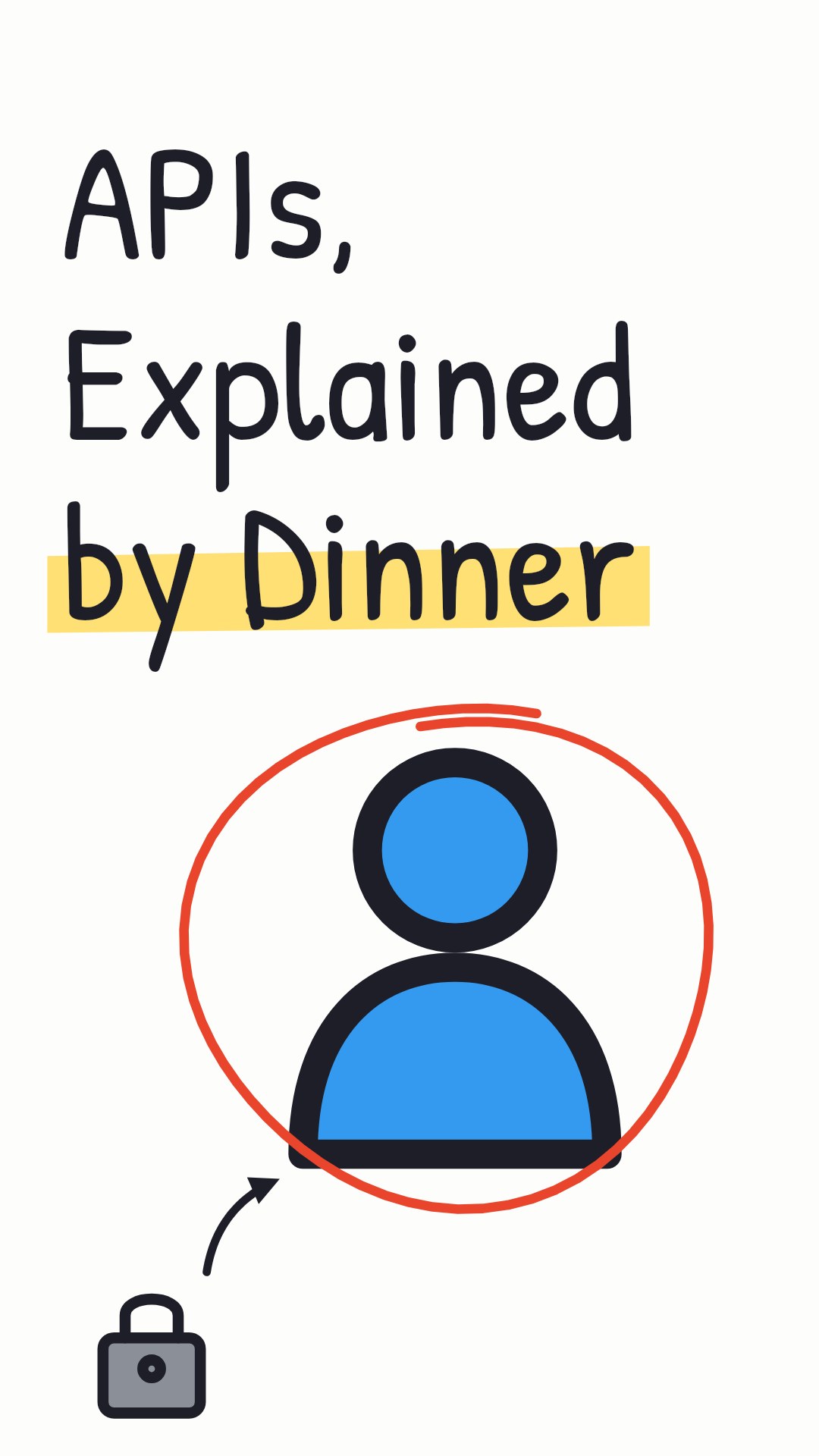 ¿Qué es una API? Un mesero explica qué es una API en menos de un minuto, en un video dibujado en vertical para Reels, Shorts y TikTok. 0:56 · Inglés
-
 Cómo detectar un correo de phishing Tres señales de alerta y qué hacer después, en un formato cuadrado pensado para LinkedIn y el feed. 0:55 · Inglés
-
 El interés compuesto como bola de nieve 100 dólares al 10% anual se convierten en 110, luego en 121 y luego en 133,10: intereses que generan intereses, dibujado con tiza para feeds verticales. 0:53 · Inglés
Tu tema, dibujado en un minuto, más o menos.
Tus primeros 2 videos son gratis, de hasta 1 minuto cada uno, con marca de agua. No necesitas tarjeta. Producto completo, con todas las voces y estilos incluidos.