Exemples
Pourquoi les pieuvres ont trois cœurs
Un reel peint d’une minute : deux cœurs pour les branchies, un pour le corps, un sang bleu et un cœur principal qui s’arrête pendant la nage.
- 1:06
- Histoire illustrée
- Narrée par Autonoe
- Anglais
Créée à partir d’un prompt
Why octopuses have three hearts Transcription de la vidéo
Why does an octopus need three hearts when you need only one?
The answer starts with a challenge: getting oxygen around its soft body.
Water flows over two gills tucked inside its muscular mantle.
Beside those gills sit two small pumps, called the branchial hearts.
Each pushes oxygen-poor blood through one gill to collect oxygen.
The third heart, the systemic heart, sends oxygen-rich blood throughout the body.
So two hearts serve the gills, while one supplies everything else.
That includes eight busy arms, reaching, gripping, and exploring the seafloor.
Another surprise: that blood turns blue when carrying oxygen.
Its oxygen-carrying protein, hemocyanin, uses copper instead of the iron ours uses.
That chemistry can work well in cold water with little oxygen.
But swimming brings a catch: the main heart can briefly stop.
Crawling generally costs less energy, making it a handy everyday option.
Three hearts, one mission: keeping oxygen flowing through an extraordinary body.
Plus d’exemples
-
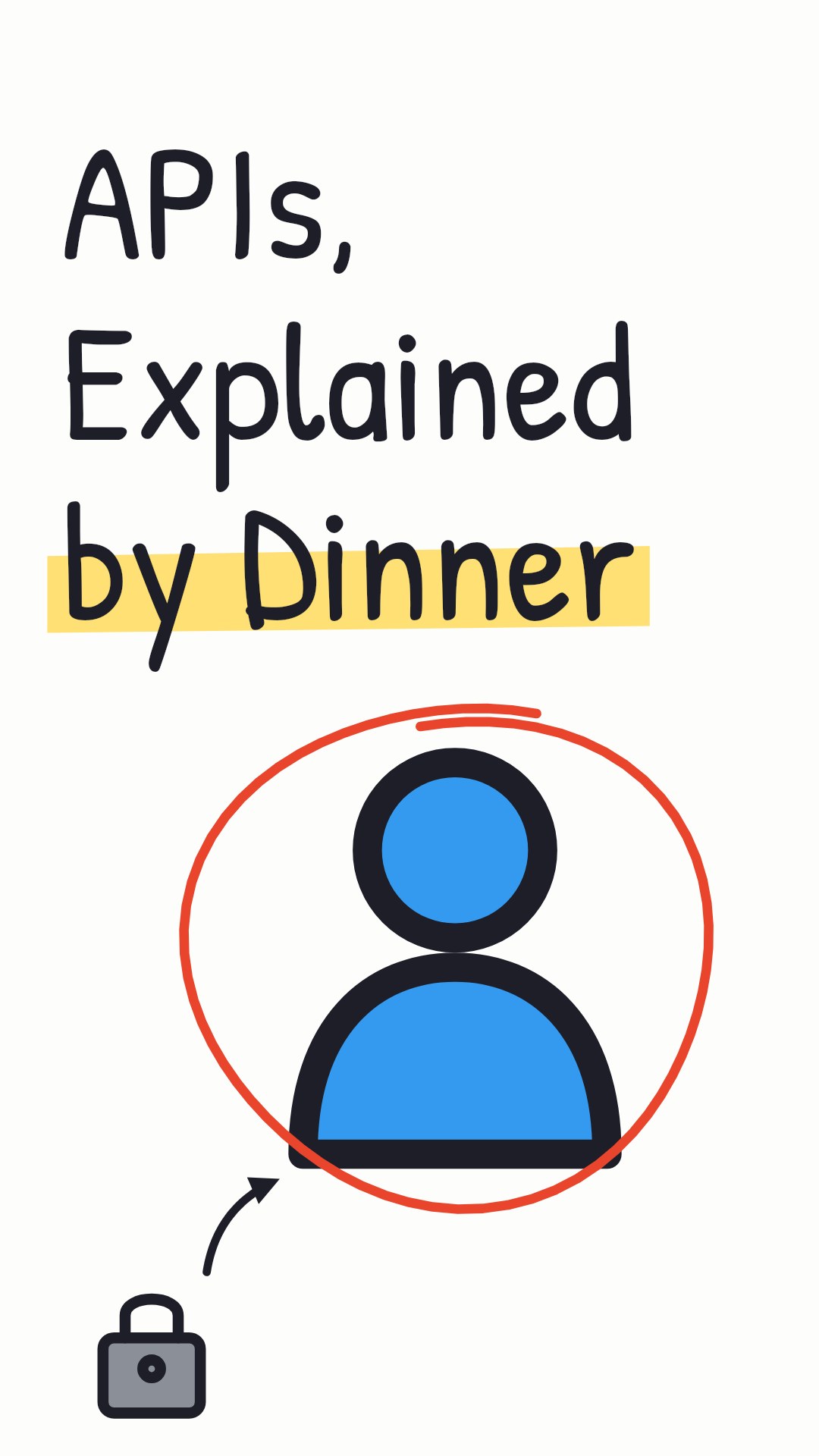 Qu’est-ce qu’une API ? Un serveur de restaurant explique les API en moins d’une minute, en vidéo verticale pour Reels, Shorts et TikTok. 0:56 · Anglais
-
 Comment repérer un e-mail de phishing Trois signaux d’alerte et la marche à suivre, dans un format carré pensé pour LinkedIn et les fils d’actualité. 0:55 · Anglais
-
 Les intérêts composés, comme une boule de neige 100 dollars à 10 % par an deviennent 110, puis 121, puis 133,10 : des intérêts qui rapportent des intérêts, dessinés à la craie pour les formats verticaux. 0:53 · Anglais
Votre sujet, dessiné en une minute environ.
Vos 2 premières vidéos sont gratuites, jusqu’à 1 minute chacune, avec filigrane. Sans carte bancaire. Tout le produit, toutes les voix et tous les styles compris.