Exemplos
Por que os polvos têm três corações
Um reel pintado de um minuto: dois corações para as brânquias, um para o corpo, sangue azul e um coração principal que para enquanto o polvo nada.
- 1:06
- História ilustrada
- Narrado por Autonoe
- Inglês
Feito a partir de um prompt
Why octopuses have three hearts Transcrição do vídeo
Why does an octopus need three hearts when you need only one?
The answer starts with a challenge: getting oxygen around its soft body.
Water flows over two gills tucked inside its muscular mantle.
Beside those gills sit two small pumps, called the branchial hearts.
Each pushes oxygen-poor blood through one gill to collect oxygen.
The third heart, the systemic heart, sends oxygen-rich blood throughout the body.
So two hearts serve the gills, while one supplies everything else.
That includes eight busy arms, reaching, gripping, and exploring the seafloor.
Another surprise: that blood turns blue when carrying oxygen.
Its oxygen-carrying protein, hemocyanin, uses copper instead of the iron ours uses.
That chemistry can work well in cold water with little oxygen.
But swimming brings a catch: the main heart can briefly stop.
Crawling generally costs less energy, making it a handy everyday option.
Three hearts, one mission: keeping oxygen flowing through an extraordinary body.
Mais exemplos
-
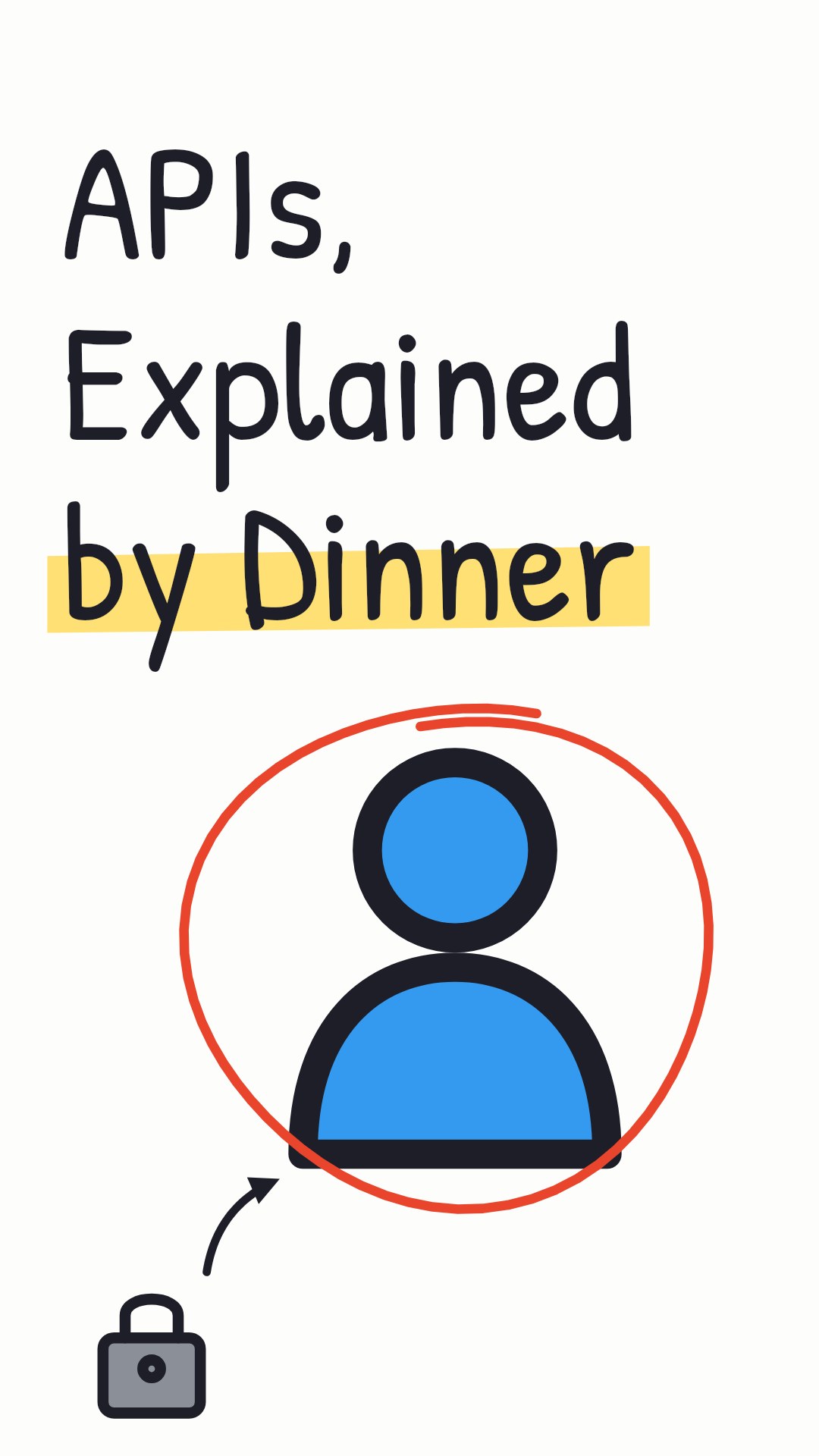 O que é uma API? Um garçom explica o que são APIs em menos de um minuto, em um vídeo desenhado na vertical para Reels, Shorts e TikTok. 0:56 · Inglês
-
 Como identificar um e-mail de phishing Três sinais de alerta e o que fazer em seguida, em um formato quadrado feito para o LinkedIn e o feed. 0:55 · Inglês
-
 Juros compostos como bola de neve 100 dólares a 10% ao ano viram 110, depois 121 e depois 133,10: juros rendendo juros, desenhado a giz para feeds verticais. 0:53 · Inglês
Seu tema, desenhado em cerca de um minuto.
Seus primeiros 2 vídeos são grátis, de até 1 minuto cada, com marca d’água. Não precisa de cartão. Produto completo, com todas as vozes e estilos incluídos.