Ejemplos
Las pirámides de Giza, desde la mirada de los trabajadores
Guiza hacia 2560 a. C., desde el lado de los trabajadores: equipos organizados y no esclavos, los panaderos y las canteras detrás de ellos, y bloques arrastrados en trineos sobre arena mojada.
- 2:04
- Serie de historia
- Narrado por Charon
- Inglés
Hecho a partir de un prompt
The building of the pyramids at Giza, from the workers’ side Transcripción del video
Around twenty-five hundred and sixty before the common era, a worker at Giza steps into a limestone quarry. Pharaoh Khufu’s pyramid rises nearby.
For the people building it, this enormous royal project means daily tasks: cutting stone, hauling loads, repairing tools, and feeding hungry crews.
Archaeology reveals organized crews and skilled specialists, not simply the enslaved masses of legend. Their exact legal status is not fully known.
Settlements near the pyramids reveal galleries, workshops, and food production. Excavated animal bones show that supplying these workers required substantial resources.
Bread and beer provide everyday nourishment. Behind each hauling team stands another workforce, grinding grain, baking batches, carrying water, and managing stores.
Much of the pyramid’s core stone comes from local limestone quarries. Shorter journeys help, but extracting millions of blocks remains an immense undertaking.
Stonecutters work with copper tools, stone pounders, and wooden levers. Different stones demand different techniques; tools wear down and must be maintained.
Finer casing limestone arrives from Tura, across the Nile. Boats and waterways connect distant quarries with the royal building site.
A surviving journal records inspector Merer supervising limestone transport for Khufu’s project. It preserves logistics, rather than a complete guide to construction.
On land, teams pull heavy loads on wooden sledges. Coordinated effort matters: ropes, prepared routes, and supervision turn individual strength into movement.
Experiments suggest that dampening sand can reduce a sledge’s drag. Whether Giza’s crews used this method in every situation is not known.
The monument depends on more than muscle. Food supplies, river transport, skilled hands, and constant coordination keep the building site working.
Delivering stone was only the beginning: how could crews lift it higher as the pyramid grew? Next chapter follows the climb.
Más ejemplos
-
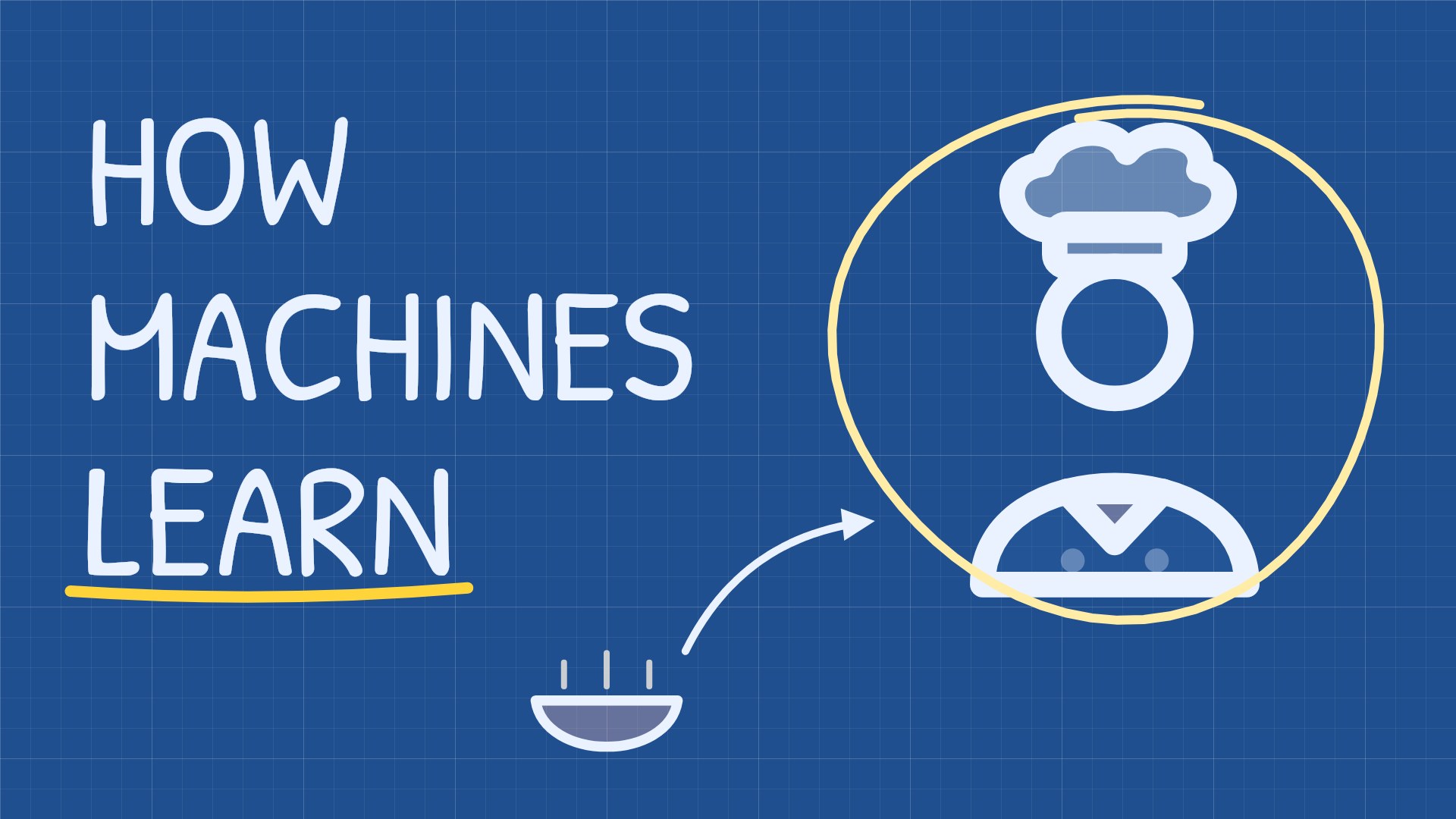 Cómo aprende una red neuronal Una red que aprende a reconocer gatos: una conjetura, el error que recibe y una pequeña corrección, una y otra vez, sin una sola ecuación. 1:25 · Inglés
-
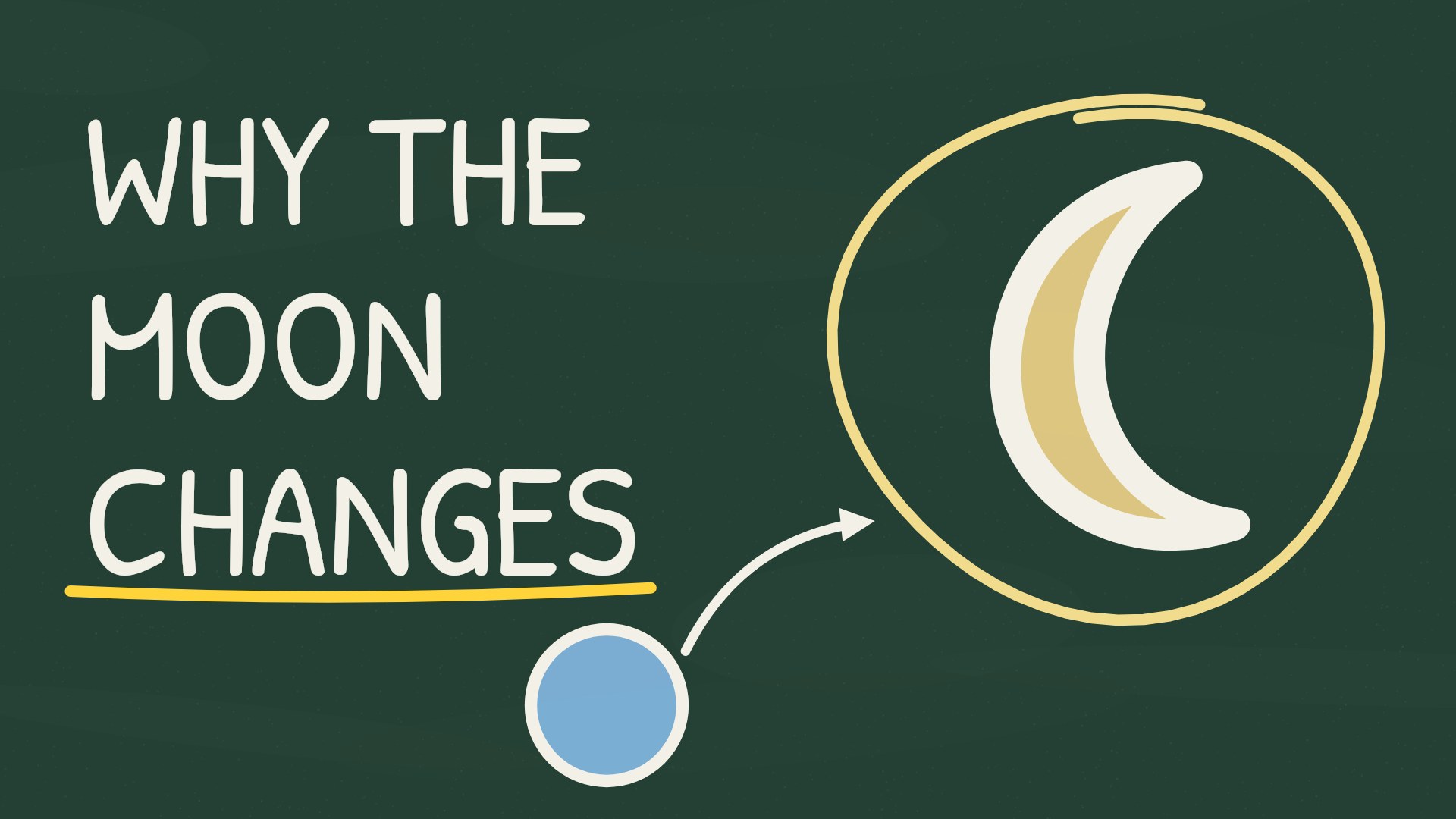 Por qué la Luna parece cambiar de forma Escrito a partir de un artículo de NASA Space Place: la mitad de la Luna que el Sol siempre ilumina, y las ocho fases en orden. 0:59 · Inglés
-
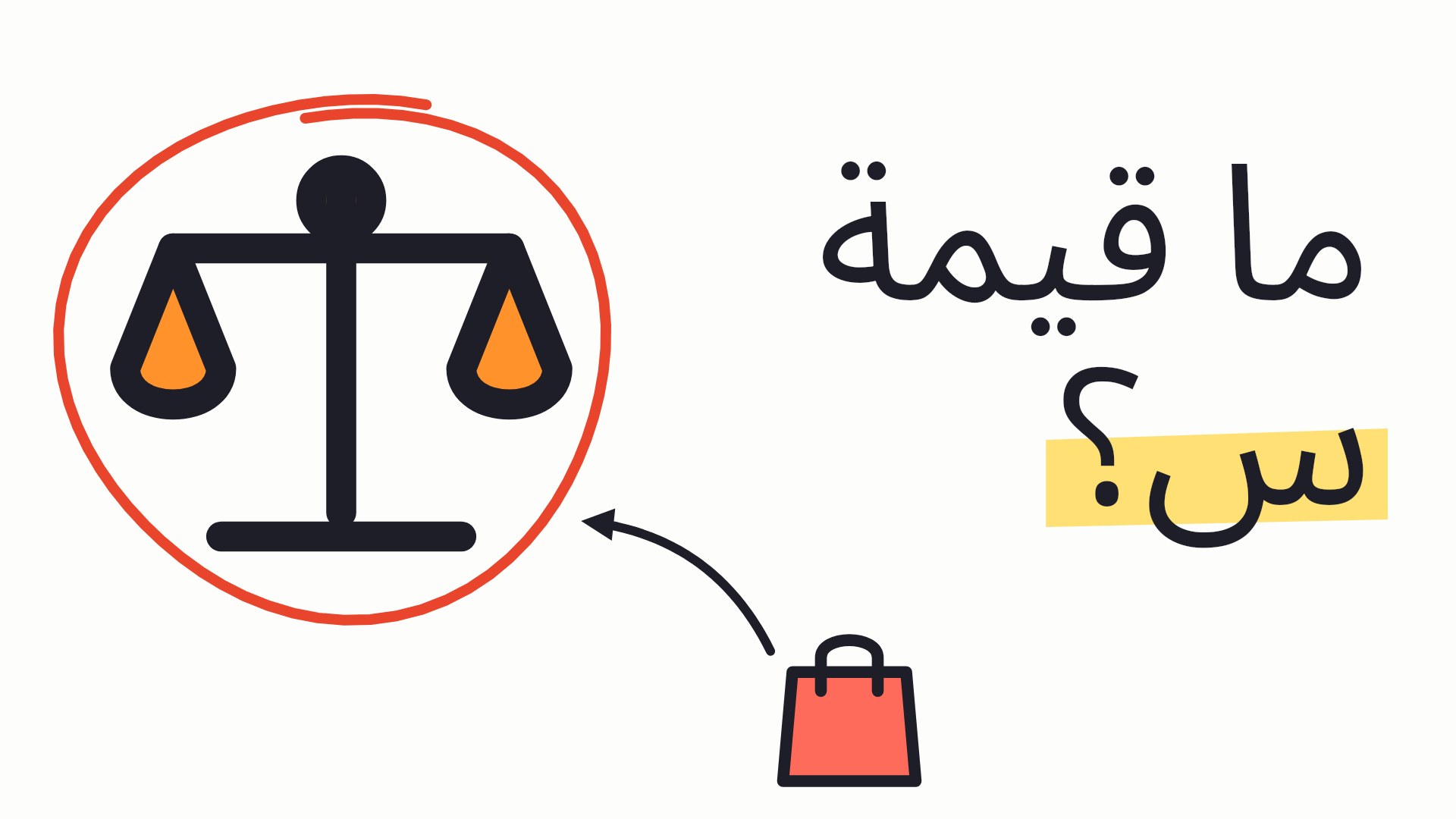 Despejar x, en un quiz en árabe Una pregunta de opción múltiple en cifras arábigas orientales, resuelta de derecha a izquierda con una balanza, con todas las opciones en la pizarra y la correcta en un círculo verde. 1:07 · Árabe
Tu tema, dibujado en un minuto, más o menos.
Tus primeros 2 videos son gratis, de hasta 1 minuto cada uno, con marca de agua. No necesitas tarjeta. Producto completo, con todas las voces y estilos incluidos.