Beispiele
Die Pyramiden von Gizeh, aus Sicht der Arbeiter
Gizeh um 2560 v. Chr., aus Sicht der Arbeiter: organisierte Trupps statt Sklaven, die Bäcker und Steinbrüche dahinter und Blöcke, die auf Schlitten über nassen Sand gezogen werden.
- 2:04
- Geschichtsserie
- Gesprochen von Charon
- Englisch
Aus einem Prompt erstellt
The building of the pyramids at Giza, from the workers’ side Transkript zum Video
Around twenty-five hundred and sixty before the common era, a worker at Giza steps into a limestone quarry. Pharaoh Khufu’s pyramid rises nearby.
For the people building it, this enormous royal project means daily tasks: cutting stone, hauling loads, repairing tools, and feeding hungry crews.
Archaeology reveals organized crews and skilled specialists, not simply the enslaved masses of legend. Their exact legal status is not fully known.
Settlements near the pyramids reveal galleries, workshops, and food production. Excavated animal bones show that supplying these workers required substantial resources.
Bread and beer provide everyday nourishment. Behind each hauling team stands another workforce, grinding grain, baking batches, carrying water, and managing stores.
Much of the pyramid’s core stone comes from local limestone quarries. Shorter journeys help, but extracting millions of blocks remains an immense undertaking.
Stonecutters work with copper tools, stone pounders, and wooden levers. Different stones demand different techniques; tools wear down and must be maintained.
Finer casing limestone arrives from Tura, across the Nile. Boats and waterways connect distant quarries with the royal building site.
A surviving journal records inspector Merer supervising limestone transport for Khufu’s project. It preserves logistics, rather than a complete guide to construction.
On land, teams pull heavy loads on wooden sledges. Coordinated effort matters: ropes, prepared routes, and supervision turn individual strength into movement.
Experiments suggest that dampening sand can reduce a sledge’s drag. Whether Giza’s crews used this method in every situation is not known.
The monument depends on more than muscle. Food supplies, river transport, skilled hands, and constant coordination keep the building site working.
Delivering stone was only the beginning: how could crews lift it higher as the pyramid grew? Next chapter follows the climb.
Weitere Beispiele
-
 Wie ein neuronales Netz lernt Ein Netz lernt, Katzen zu erkennen: eine Vermutung, der Fehler, den es zurückbekommt, und eine kleine Korrektur, immer wieder, ohne eine einzige Formel. 1:25 · Englisch
-
 Warum der Mond seine Form zu ändern scheint Geschrieben nach einem Artikel von NASA Space Place: die Hälfte des Mondes, die die Sonne immer beleuchtet, und alle acht Phasen der Reihe nach. 0:59 · Englisch
-
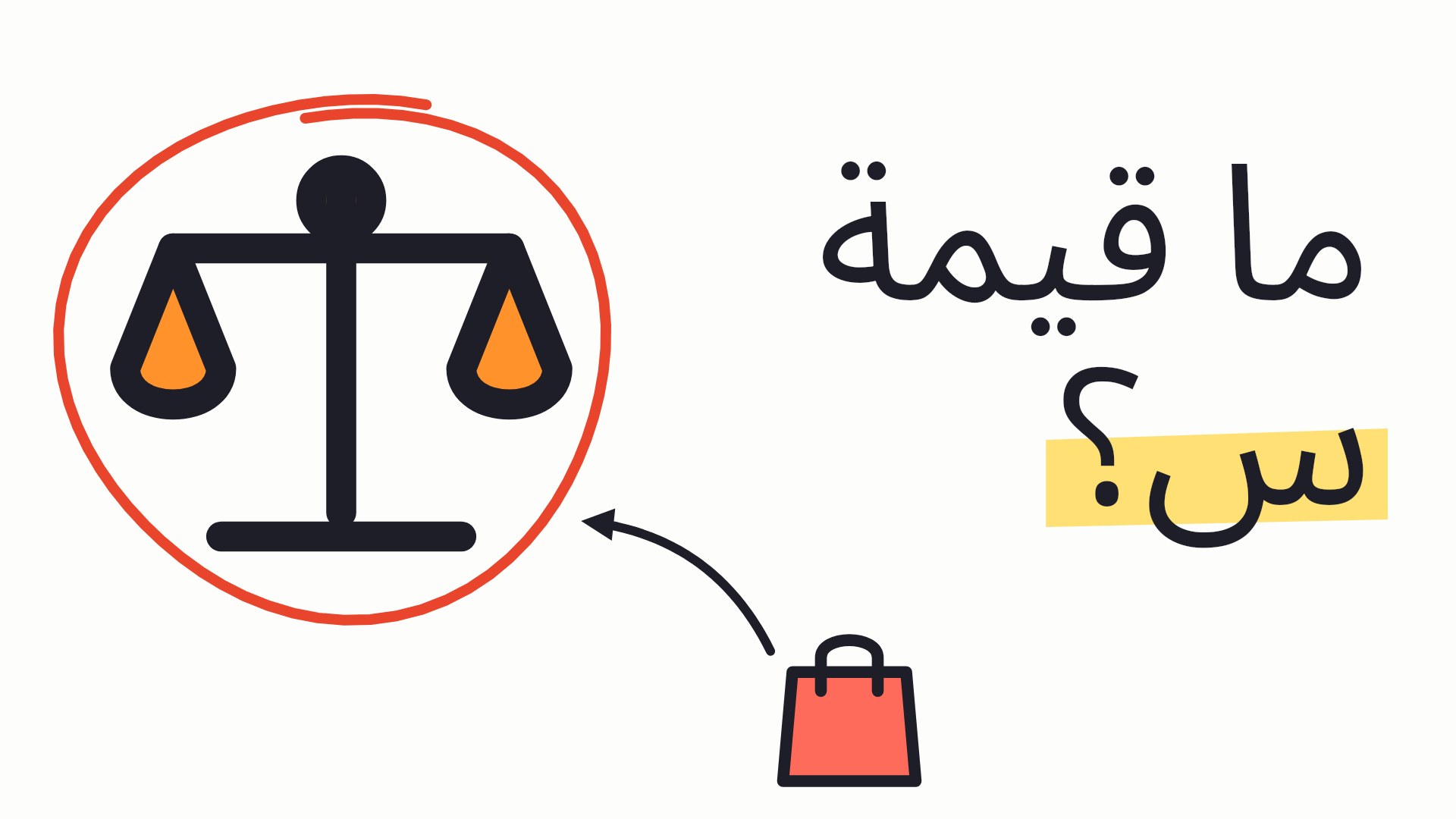 x bestimmen, als Quiz auf Arabisch Eine Multiple-Choice-Frage in ostarabischen Ziffern, von rechts nach links mit einer Waage gelöst, mit allen Antworten an der Tafel und der richtigen grün eingekreist. 1:07 · Arabisch
Dein Thema, gezeichnet in etwa einer Minute.
Deine ersten 2 Videos sind kostenlos, je bis zu 1 Minute lang, mit Wasserzeichen. Keine Kreditkarte nötig. Das komplette Produkt, inklusive aller Stimmen und Stile.